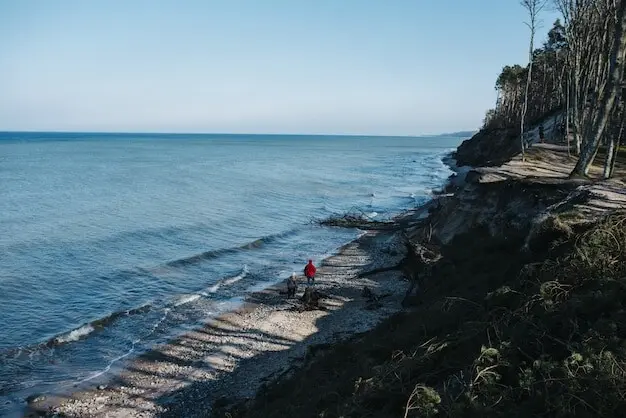

Snow, Looms, and Mountain Lights

Today we step into Seasonal Traditions and Festivals: Winter Weaving in the Alps, where mountain villages ring with bells, looms creak beside stone hearths, and families gather during festivals to turn wool into warmth. Expect stories of hands stained by walnut dye, patterns echoing ridgelines, and nights when songs keep time with the shuttle’s flight. We celebrate living craft, resilient communities, and the quiet magic of cloth that carries memory through the coldest months.

Ancestral Threads in the High Valleys
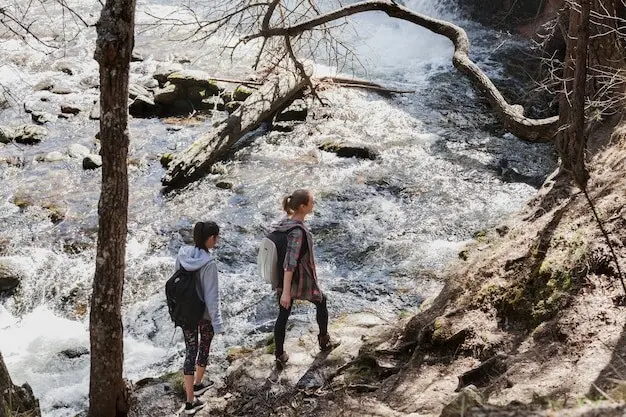
Across snowbound passes, weaving became winter’s trusted companion, filling long nights with purposeful rhythm. Shepherding seasons decided fiber supply, and when pastures slept, kitchens transformed into workshops. Elders taught drafts by the fire, recalling markets where scarves paid for salt, candles, or a doctor’s visit. In these valleys, technique traveled by lullaby and proverb, so every selvedge bears not only skill, but stories about storms endured, weddings blessed, and neighbors who arrived with warm soup when warp snapped.

Tools Shaped by Snow and Time

Mountain homes prize objects that endure. Floor looms hewn from spruce must slip through narrow doors, stand steady on uneven planks, and break down for seasonal moves. Shuttles ride in felt-lined pockets on festival days, reeds smell faintly of resin, and heddles creak like sled runners. Every tool carries scratches from boots, ash from stoves, and a humble readiness to work whenever weather says stay inside.

Snowflake Twills and Ridge Herringbone

Draft books pass down star-burst twills that catch lamplight like midnight crystals. Herringbone echoes fence rails buried in powder, reversing direction with a shepherd’s practical wisdom. These structures are not fashion tricks; they’re survival mathematics, guiding warmth around elbows and over shoulders while leaving just enough breath for chopping wood or greeting neighbors along a path narrowed by drifts.

Festive Sashes and Blessings

On saint days and solstice gatherings, bright sashes cinch wool coats, their selvedges tidy as choir harmonies. Motifs repeat promises: protection on steep paths, health for lambs, peace after argument. When dancers spin, chevrons turn to rivers, and elders smile into scarves they once warped themselves. Cloth becomes a spoken blessing you can tie, untie, and pass forward with kindness.

Weaving for Newborns and Farewells

Cradle blankets receive the gentlest yarns and lullaby-soft beats, meant to welcome small breaths into cold air that smells like pine and chimney smoke. Later, simple black bands edge farewell shawls, acknowledging grief without display. In both cases, the loom acts as witness, translating love and loss into measured threads that refuse to fray even when words do.

Winter Festivals Where Cloth Takes Center Stage

Snow lanterns guide visitors through market lanes where handwoven goods hang like prayer flags between bakeries and bell-makers. Demonstrations pause when masked processions rattle by with carved wood and cowbells, then resume as laughter returns. You taste smoke on sausages, sugar on lips, and lanolin on fingertips. Art lives beside appetite, and both feel necessary when frost presses windows.

01

Solstice Night Demonstrations

After dusk, volunteers carry travel looms to a square protected from wind. Children line up to throw shuttles once, astonished that cloth appears so quickly under their hands. A retired teacher counts picks like carols, steady and warm. The moon climbs, the cloth grows, and strangers become neighbors by agreeing to keep the beat together.

02

Community Exchange and Barter Tables

Not every treasure needs coins. A thick scarf equals a basket of apples, a jar of honey sweetens mittens for a niece, and a mender swaps invisible darnings for winter herbs. These exchanges create resilience beyond slogans; they stitch obligations and gratitude into daily life, ensuring that when storms close roads, friendship still delivers milk and laughter.

03

Songs that Mark the Shuttle’s Rhythm

Old songs travel faster than roads in December, and some ballads were likely composed to match foot treadles exactly. You can hear verses rising with beams tightened, falling with beaters tapped. Harmonies protect concentration, and refrains invite anyone listening to join. By the final chorus, the scarf remembers the melody and keeps it for January’s hardest mornings.

Sustainable Wool and Mountain Economies

Cold teaches frugality without meanness. Flocks graze steep meadows that cannot host machines, converting wild grass into warmth. Cooperatives sort fleeces, pay fair prices, and keep skilled hands near home. Repair culture thrives; socks are darned with pride, and blankets last decades. Buying one scarf might finance hay, veterinary care, or a teenager’s apprenticeship, turning beauty into ballast for a fragile slope-side livelihood.

Shepherds and Spinners as Neighbors

When lambing collides with late snow, spinners show up carrying soup and empty baskets for raw fleece. They know each other’s birthdays, storms survived, and the gift of a quiet morning. Collaboration is less contract than mutual rescue, braided from weather reports, shared benches, and the agreement that nobody should face a broken fence or broken heart alone.

Slow Fashion in Minus Ten

Marketing claims fade when temperatures snap. What remains is fabric density, fiber crimp, and seams that do not surrender at the elbow. Slow fashion here means garments you trust when the bus is late, the path is icy, and the wind sneaks sideways. Style follows function, and function, beautifully, becomes style after a dozen faithful winters.

Buying Direct, Wearing Stories

If you own a scarf labeled with a maker’s name and village, you own more than cloth. You own a promise to answer messages, to send a photo from the first snow, to return next summer for tea. Direct purchase shortens distance and lengthens care, turning garments into acquaintances who visit whenever you open the wardrobe.

A Beginner’s Warp for Cold Evenings
Start with a narrow scarf in sturdy wool, ten to twelve wraps per inch, natural undyed if you love honesty. Wind a short warp, tie gently, and practice even tension. Let mistakes teach humility; keep weaving anyway. By the third night, rhythm settles. By the fifth, the cloth answers back, forgiving and firm, like a neighbor’s steady knock.

Respectful Travel to Mountain Workshops
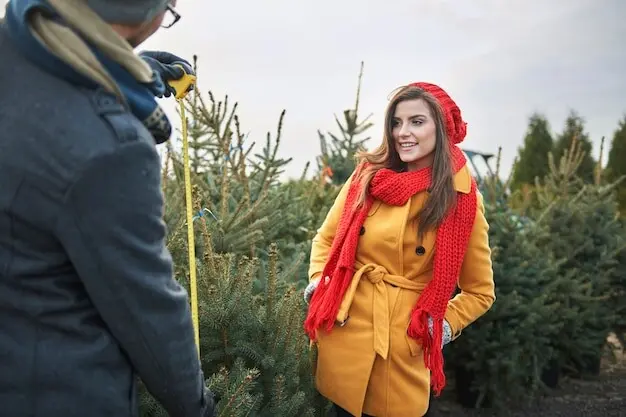
These studios are homes first, businesses second. Arrive on time with warm socks, ask before photographing, and honor quiet moments when concentration gathers. Spend fairly, pack out trash, and learn a phrase or two in the local tongue. Remember that your gratitude, expressed sincerely, becomes the most portable souvenir, cherished long after cookies or candles disappear.

Share Your First Scarf with Us

We would love to see what your winter hands create. Post a photo, describe the yarn, tell us who kept you company, and how the shuttle sounded against your heartbeat. Subscribe for workshop diaries, reply with questions, and invite a friend. Together we’ll keep looms busy and valleys bright, one hopeful warp at a time.

Future Threads Connecting Seasons

From Snowdrift to Wildflower

The palette shifts from hearth browns to meadow greens, yet the method endures. You clear a shuttle box, sweep wood dust, and breathe differently. Threads remember winter’s lessons about strength and kindness, then welcome lighter fibers. This continuity comforts makers and wearers equally, proving that seasons change flavor, not integrity, of the cloth and the hands guiding it.

New Drafts for Returning Light

Long evenings give way to lingering twilight, perfect for planning new repeats. You sketch diamonds inspired by thawed streams, test reeds for linen blends, and note festivals that might host demonstrations. Community calendars fill with potlucks and practice nights. The loom responds like an old friend, ready for brighter yarns without forgetting the hush of December.

Invitation to Keep in Touch

Tell us where you read from, what you’re weaving, and which winter festival made you smile most. Subscribe for monthly letters, behind-the-scenes notes from mountain workshops, and occasional invitations to help with cooperative projects. Your stories guide future posts, ensuring that advice stays grounded in real kitchens, real scarves, real laughter, and shared courage when storms roll in again.
Zavolentorino
Privacy Overview

This website uses cookies so that we can provide you with the best user experience possible. Cookie information is stored in your browser and performs functions such as recognising you when you return to our website and helping our team to understand which sections of the website you find most interesting and useful.