
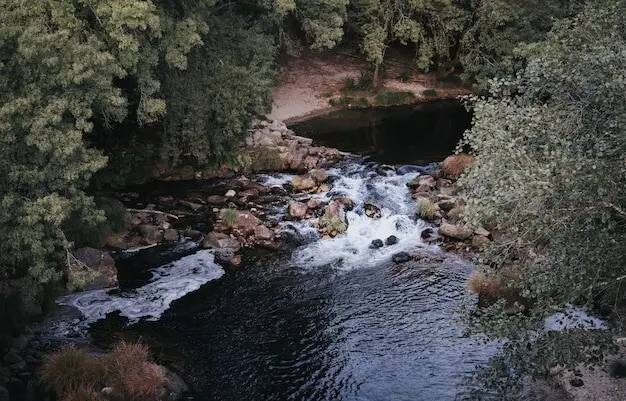

Repair, Refill, Reuse: The Mountain Way
A patched backpack carries more legends than new nylon. Villages keep cobblers, scissor grinders, and tinkerers in business, trading coins and gossip for sharpened edges. Workshops invite refills of soap, finishes, and teas, turning routine errands into affectionate conversations that circulate skills and reduce waste gracefully.
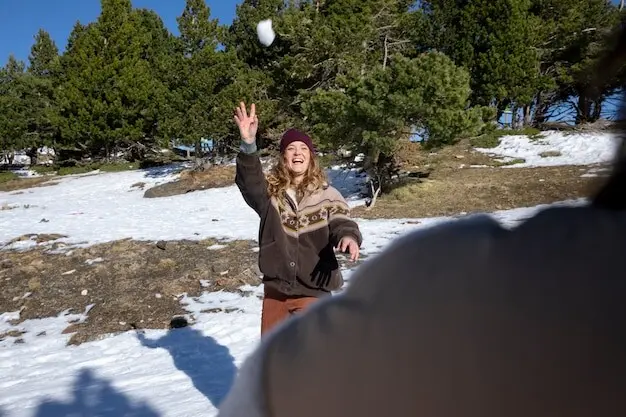
Dye Pots of Meadows and Shores
Colors come from larches, walnut hulls, madder roots, and seaside buckthorn, brewed carefully so waterways stay alive. Makers test fibers under snowmelt and tide, then publish recipes openly, proving beauty multiplies when shared. Scarves and skeins carry gradients of place rather than synthetic shout and glare.
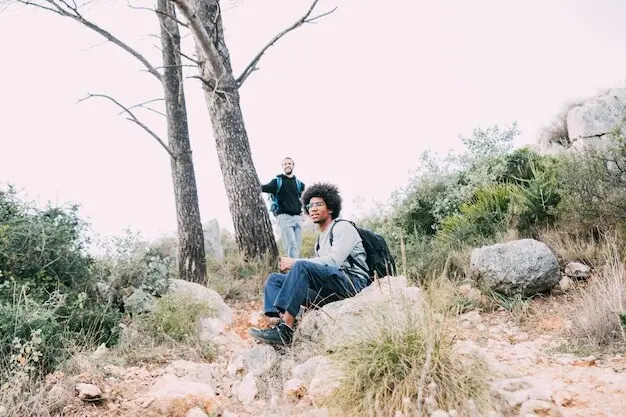
Packaging That Whispers, Not Shouts
Boxes are reused wine cartons, labels handwritten, padding composed of last season’s wool clippings. Deliveries ride bicycles, trams, and shared vans, timed to existing routes. The unboxing smells faintly of hay and resin, signaling care while refusing flashy waste that chases attention rather than meaning.